
How to Care for Lavender: Essential Tips for a Thriving Garden
Updated: Oct 1, 2025
Lavender is a beautiful and fragrant addition to any garden, known for its vibrant purple blooms and calming scent. Whether you’re a seasoned gardener or just starting, learning how to care for lavender properly is vital to keeping it healthy and flourishing. Now is the perfect season to give your lavender the attention it needs, and Yakisno Ltd. offers expert lavender care services to ensure your plants thrive all season.
Choosing the Right Location for Lavender
Lavender thrives in sunny garden spots with good air circulation. When planting lavender, choose a location that receives at least 6-8 hours of direct sunlight daily. This plant loves warmth and light, so the more sun it gets, the better it will bloom.
Lavender also prefers well-drained soil. Poor drainage can lead to root rot, a common issue for lavender plants. Consider adding sand or gravel to the soil to improve drainage, especially if you have heavy or clay-like soil. Raised garden beds are also an excellent option for growing lavender in poor soil conditions.
Watering Lavender Properly
One of the most common mistakes in lavender care is overwatering. Once established, lavender is drought-tolerant, so it’s essential to avoid giving it too much water. Water lavender sparingly, allowing the soil to dry out between watering sessions.
For gardeners who live in regions with humid climates, it’s even more critical to reduce watering to prevent fungal diseases. Keep an eye on the soil’s moisture level—if it feels dry about an inch below the surface, it’s time to water.
Pruning Lavender for Healthy Growth
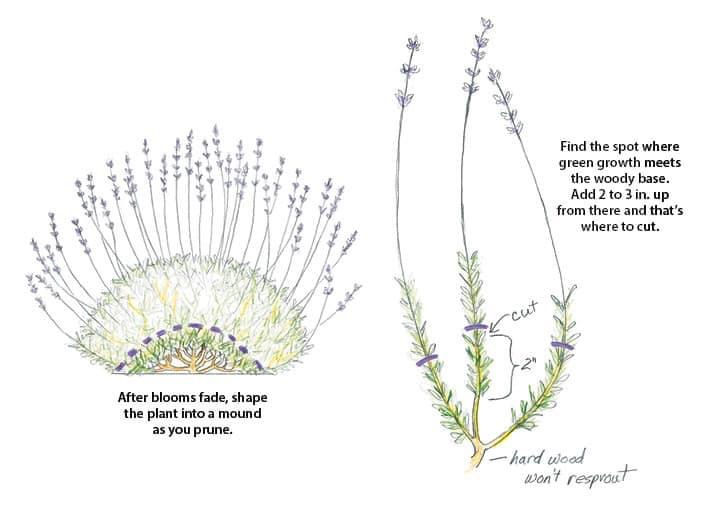
Pruning is a critical part of lavender garden maintenance. Regular pruning helps encourage bushier growth and more blooms. Prune your lavender plants annually in early spring or after the flowers have finished blooming. Trim about one-third of the plant’s height, but avoid cutting into the woody part, as lavender doesn’t regenerate well from old wood.
If you’re maintaining lavender in a formal garden setting, shaping it after pruning can also help keep it neat and compact.
Fertilizing Lavender—Keep It Simple
Lavender is a low-maintenance plant that doesn’t need heavy feeding. In fact, too much fertilizer can reduce the intensity of its fragrance and hinder flower production. A light application of compost in the spring is usually sufficient. If you’re growing lavender in poor soil, you can apply a balanced, slow-release fertilizer, but be sure to avoid nitrogen-heavy fertilizers that promote leaf growth over flowers.
Harvesting and Using Lavender
One of the joys of growing lavender is harvesting its fragrant flowers. You can cut lavender stems just before the flowers fully open for the best fragrance and essential oil content. Hang them upside down in a dry, shaded area to preserve the flowers for later use in gardening projects like potpourri, sachets, or homemade skincare.
Lavender can also be a great companion plant in your garden. Its scent repels pests like mosquitoes and aphids, making it a useful addition to any pest control strategy.
Lavender in Winter—How to Protect Your Plants
Lavender is hardy, but it needs some protection during the winter months in colder climates. If you’re growing lavender in a garden, mulching around the base of the plant in late fall can help insulate the roots from freezing temperatures. Be sure to remove the mulch in the spring to prevent moisture buildup.
Consider bringing pots indoors during extreme cold if you’re growing lavender in containers. Place them in a bright, sunny window where they can still receive light.
Now is the Perfect Season to Care for Lavender
As the growing season progresses, now is the ideal time to focus on lavender care. Proper pruning, watering, and pest control will ensure your lavender continues to bloom beautifully and remains healthy through the fall and winter months. By giving your lavender the attention it needs during this time, you’ll set it up for a thriving season ahead.
At Yakisno Ltd., we specialize in professional lavender care as part of our comprehensive gardening services. Whether you need help with pruning, soil care, or pest control, our team is ready to provide expert maintenance tailored to your garden's needs.
Conclusion: Lavender, a Low-Maintenance Gem for Your Garden
Lavender is an excellent choice for gardeners seeking a low-maintenance, fragrant plant that adds beauty and utility to any garden space. By providing your lavender with the right conditions—full sun, well-drained soil, and careful watering—you’ll be rewarded with vibrant blooms and a calming scent that can last all season long.
Whether you’re looking to create a formal garden design or want to enjoy lavender for its fragrance and pest-repelling qualities, this hardy plant is sure to thrive with proper care. Add lavender to your garden today and experience the benefits of this timeless garden favorite!


